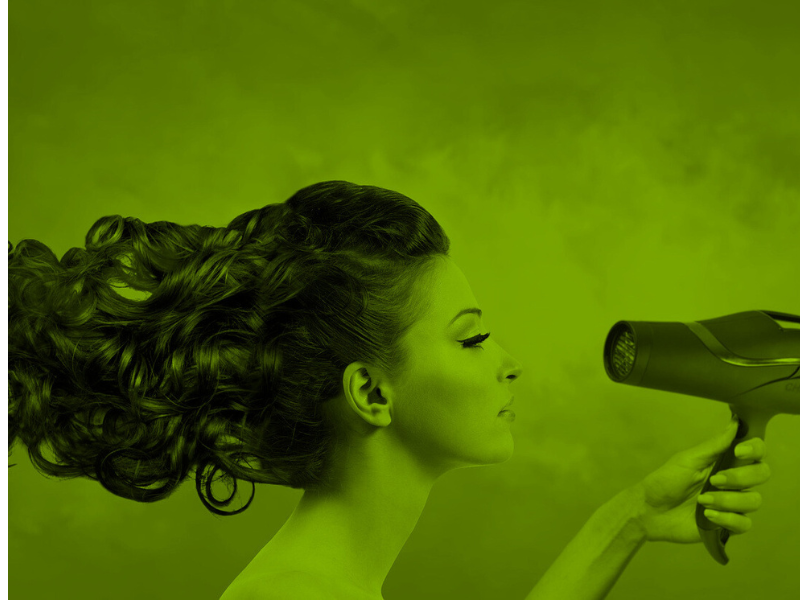
To maintain market leadership, companies must continuously innovate within existing categories, addressing consumer pain points effectively. Product differentiation through advanced technology can justify premium pricing and enhance competitiveness.
Traditional hair dryers often rely on high temperatures to speed up drying, which can cause hair damage. Dyson addressed this by integrating temperature control sensors, ensuring heat does not exceed 150°C, protecting hair while maintaining drying efficiency. Its Air Multiplier technology further enhances airflow, reducing drying time while providing even heat distribution. Additionally, positioning the motor in the handle improves weight balance and usability.
Meanwhile, T3 Micro has focused on aesthetic design, lightweight builds, and portability, appealing to consumers prioritizing affordability and style. However, reliance on traditional airflow mechanics and the lack of real-time temperature control result in slower drying speeds and increased heat exposure.
Dyson’s success highlights the importance of solving real consumer problems through technology, while T3 Micro demonstrates the value of segmenting the market effectively. Companies seeking market leadership should invest in meaningful innovation, user-centric design, and clear consumer education to differentiate themselves and sustain growth.