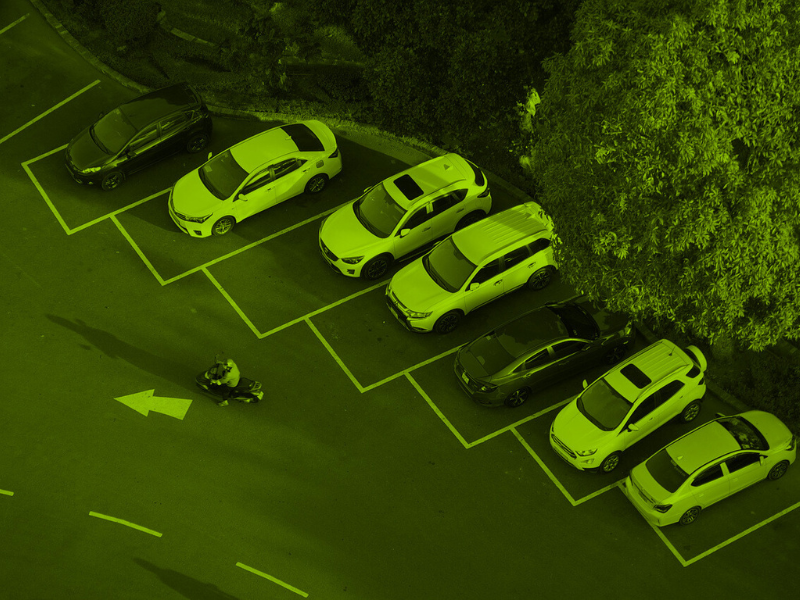
Automatic Parking Assist (APA) is becoming an essential feature in modern vehicles, addressing urban parking challenges and enhancing convenience, efficiency, and safety. To stay competitive, automakers must refine their APA systems to provide a seamless and intuitive user experience.
Tesla, XPeng, and NIO have all integrated APA technology, but their implementation varies significantly. Tesla’s APA automatically detects parking spaces when traveling below 24 kph, removing the need for manual activation. While this simplifies operation, it reduces user control, preventing drivers from proactively engaging APA when needed. Additionally, Tesla lacks real-time voice prompts, requiring users to rely solely on visual indicators, which can lead to uncertainty during parking maneuvers.
Conversely, XPeng P7 and NIO ET7 have taken a more user-friendly approach by incorporating:
These features improve usability by making APA more intuitive, interactive, and accessible, ultimately enhancing driver confidence.
Tesla’s APA system showcases technological sophistication, but user experience enhancements—such as manual activation, voice commands, and real-time feedback—can make the system more intuitive and competitive. Automakers looking to improve APA should prioritize user-centric design, optimize system flexibility, and ensure seamless interaction, fostering greater trust and adoption of advanced parking technology.