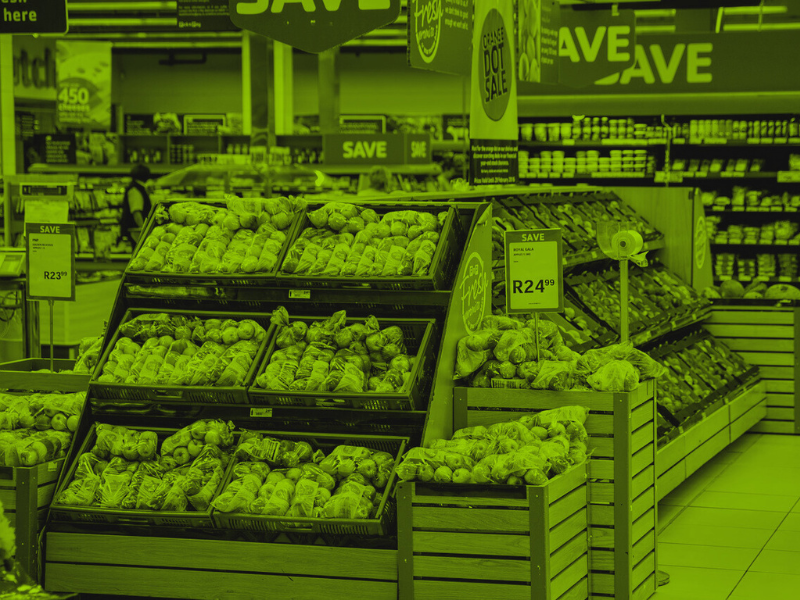
Woolworths and Coles have faced criticism for misleading discount practices that create a false perception of savings, undermining price transparency and consumer trust. Inflated original prices and deceptive promotional labels make it difficult for shoppers to assess real value, raising ethical concerns about retail pricing.
Both supermarkets frequently advertise products as being "on sale" or "discounted." However, investigations by the Australian Competition and Consumer Commission (ACCC) have revealed that some original prices are inflated, making discounts appear larger than they actually are. In some cases, the "discounted" price is only marginally lower or even higher than the regular price, misleading consumers into impulse purchases based on deceptive savings claims.
These pricing tactics create a false sense of urgency, damaging consumer trust and brand credibility. Such practices have led to increased scrutiny and calls for greater pricing transparency and ethical retail practices.
The use of deceptive discounting tactics erodes consumer trust and highlights the need for greater pricing transparency. By implementing honest pricing strategies, clear promotional labeling, and regular audits, supermarkets can restore confidence, ensure fair competition, and reinforce their credibility. Ethical pricing not only benefits consumers but also strengthens brand integrity and long-term customer loyalty in an increasingly competitive retail market.